Thoughts & Insights
On design, development, and building digital products.

The Future of Software Studios: Why Boutique Teams Are Winning
Why small, senior software studios are outperforming large agencies — and what this means for the future of custom software development.

Location-Based Directory Apps: How We Built Spots Mexico
How we built a location-based directory for photographers — maps, search, categories, and SEO for thousands of location pages.

Building a Trading Card Game Platform: Technical Lessons from Just The Rip
Technical deep dive into building Just The Rip — real-time pack openings, inventory management, and gamified e-commerce.

How to Work With a Dev Studio Without Losing Control of Your Product
A founder guide to working with a dev studio — staying involved, owning decisions, maintaining code ownership, and avoiding dependency.

Our Tech Stack in 2026: Every Tool We Use and Why
The complete Threshline tech stack in 2026 — every framework, service, and tool we use for client projects and internal products.

How We Onboard New Client Projects in One Week
Our client onboarding process — repo setup, design review, environment config, and first sprint planning in under a week.

Playwright vs Cypress in 2026: Which E2E Testing Tool to Pick
Comparing Playwright and Cypress for end-to-end testing — speed, DX, cross-browser support, and CI integration.

Using AI in Software Development: What Actually Works in 2026
Our honest take on AI in software development — what we use daily, what is overhyped, and how it changes our workflow.

Astro Content Collections: The Best Way to Manage Blog and Portfolio Content
A complete guide to Astro Content Collections — schema validation, querying, rendering, and organizing content-driven sites.
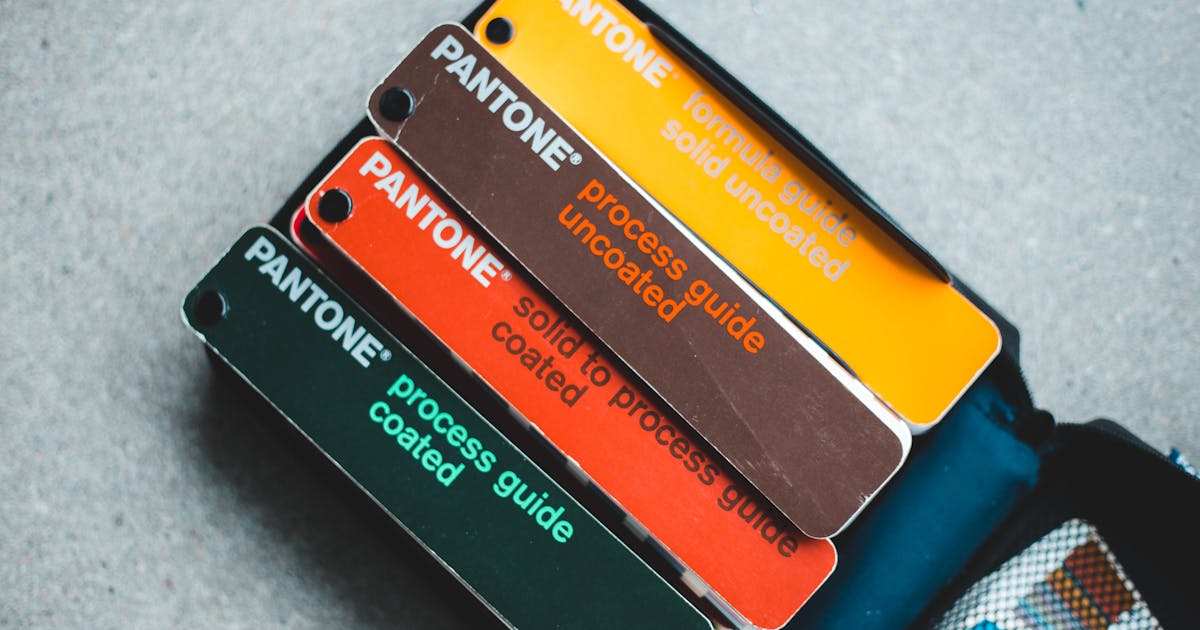
Color Systems for Product Design: Beyond Just Picking a Palette
Building a color system for web apps — semantic tokens, dark mode support, accessibility contrast, and consistent color usage.

How to Build a Settings Page That Does Not Suck
Settings page UX patterns — organization, save behavior, danger zones, and making complex configuration approachable.

Motion Design for Web Apps: Tasteful Animations with Framer Motion
Adding meaningful animations to web apps with Framer Motion — page transitions, list animations, gestures, and performance tips.

What to Include in a Software Requirements Document
A practical template for software requirements documents — user stories, acceptance criteria, tech constraints, and what to skip.

How to Build a Waitlist That Generates Buzz Before Launch
Building a pre-launch waitlist — landing page, referral mechanics, email sequences, and converting waitlist users to customers.

The Founder Guide to Software Maintenance Costs
What software maintenance actually costs — hosting, bug fixes, security updates, feature additions, and how to budget for it.

How to Choose Between a Web App and a Mobile App for Your Startup
Web app vs mobile app for startups — cost, reach, UX, and when to build both with a shared backend and Flutter.

How to Build a PDF Generation System for Invoices and Reports
Generating PDFs in web apps — React-PDF, Puppeteer, server-side rendering, and our approach for invoices and reports.
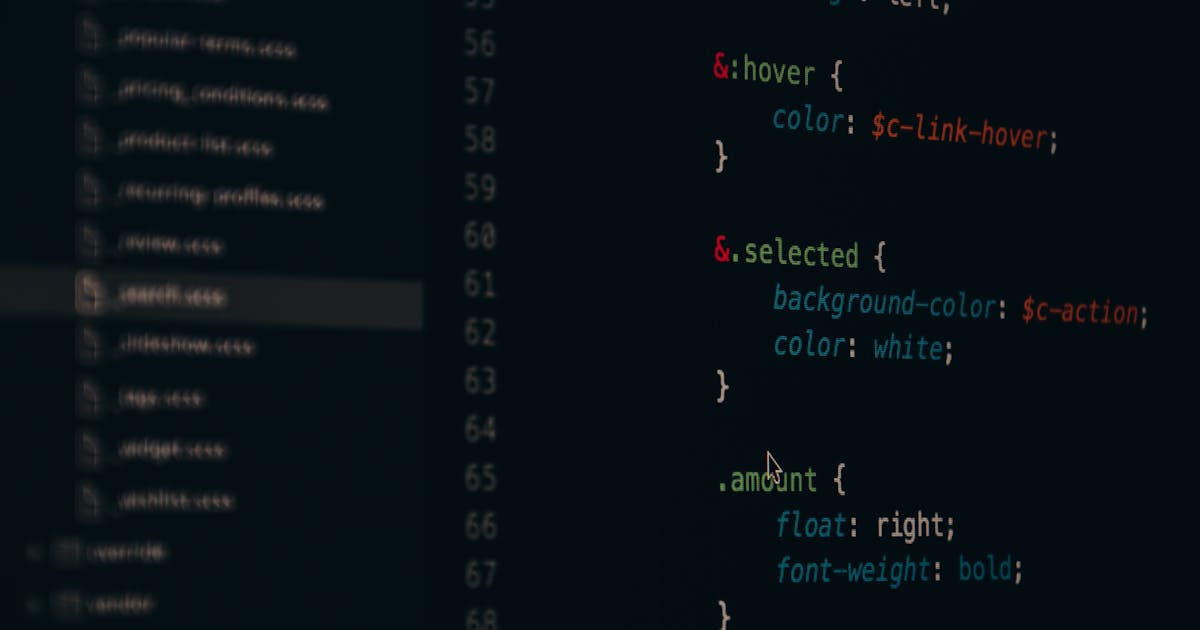
TypeScript Patterns We Use in Every Project
Practical TypeScript patterns for production code — discriminated unions, branded types, exhaustive matching, and type-safe APIs.

Webhook Architecture: Building Reliable Event-Driven Integrations
How to build a reliable webhook system — sending, receiving, retry logic, signature verification, and event replay.

How to Build a Search System for Your Web App (Full-Text, Filters, and Facets)
Building search for web apps — PostgreSQL full-text search, faceted filtering, autocomplete, and when to reach for Algolia or Meilisearch.

Booking and Scheduling Systems: Architecture for Real-Time Availability
How to build a booking and scheduling system — availability management, conflict prevention, timezone handling, and calendar sync.

How to Build a Social Network Feature Set for Your SaaS
Adding social features to a SaaS product — feeds, profiles, following, messaging, and notifications without building from scratch.

Building an All-in-One Business Platform: Lessons from MindHyv
Technical lessons from building MindHyv — a platform combining social networking, booking, invoicing, and selling for entrepreneurs.

Why Small Teams Ship Better Software Than Large Ones
The advantages of small engineering teams — less overhead, faster decisions, stronger ownership, and better software quality.

Working With a Remote Dev Team in the Philippines: What Clients Should Know
What to expect when working with a software development team in the Philippines — timezone, communication, culture, and quality.

How We Handle Urgent Bugs in Production (Our Incident Process)
Our production incident response process — detection, triage, communication, resolution, and post-mortems for a 4-person team.

Why We Switched From REST to tRPC (and When You Should Too)
How tRPC improves full-stack TypeScript development — end-to-end type safety, when REST is still better, and migration tips.

The Best Email Services for Transactional and Marketing Emails
Comparing email services for web apps — Resend, SendGrid, Postmark, and AWS SES for transactional and marketing emails.

Drizzle ORM vs Prisma in 2026: Which TypeScript ORM to Choose
Comparing Drizzle and Prisma ORMs — type safety, performance, migrations, and developer experience for TypeScript projects.
Dashboard Design for SaaS: Layout Patterns That Work
SaaS dashboard design patterns — sidebar navigation, data cards, charts, tables, and responsive layouts that scale.

How to Build an Onboarding Flow That Does Not Lose Users
Onboarding UX patterns that keep users engaged — progressive profiling, quick wins, empty states, and activation metrics.

Loading States and Skeleton Screens: Patterns for Perceived Performance
Improve perceived performance with loading states and skeleton screens — implementation patterns and when to use each approach.

The MVP is Not the Final Product: Planning for Scale From Day One
How to build an MVP that can evolve into a scalable product — architecture decisions that compound and those that constrain.

Pricing Your SaaS: Technical Considerations for Billing and Plans
The technical side of SaaS pricing — Stripe billing integration, plan management, usage metering, and upgrade/downgrade flows.
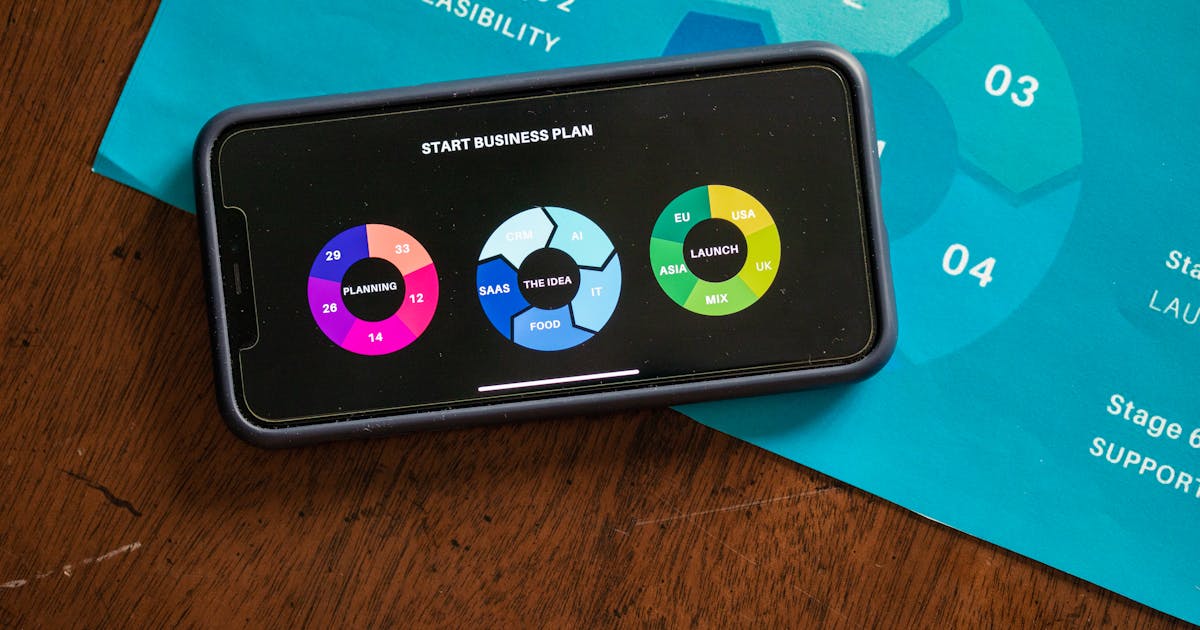
How to Build a B2B SaaS Product: From Idea to First 10 Customers
A practical guide to building a B2B SaaS product — from validation to launch to landing your first paying customers.

What Founders Get Wrong About Software Estimates
Common mistakes founders make when interpreting software estimates — and how to have better conversations about timelines and budgets.

Building a Role-Based Access Control System From Scratch
How to implement RBAC in a web application — roles, permissions, middleware, and database design with PostgreSQL.

Caching Strategies for Web Apps: From Browser to CDN to Database
A layered caching guide for web apps — browser cache, CDN, application cache, and database query caching explained.

How to Build a File Upload System That Handles Large Files
Building a robust file upload system — chunked uploads, presigned URLs, progress tracking, and storage with Supabase Storage.

Edge Functions vs Serverless Functions: When to Use Each
Comparing edge functions and serverless functions — latency, cold starts, limitations, and when each approach makes sense.

Software for the LATAM Market: Localization and Payment Challenges
Challenges and solutions for building software targeting Latin America — localization, payments, regulations, and cultural considerations.

How to Build a Pack-Opening or Gamified E-Commerce Experience
The technical architecture behind gamified e-commerce — animation systems, randomization, inventory management, and real-time reveals.

Building a Freelancer Management Platform: Technical Deep Dive
Technical lessons from building LancerSpace — CRM, proposals, invoicing, and project management in one platform.

How to Evaluate a Software Development Studio (Red Flags and Green Flags)
What to look for when evaluating a software development studio — portfolio, process, communication, and the red flags to avoid.

Lessons From Shipping 12 Products in 5 Years
What we learned shipping 12 products over 5 years — the patterns that repeat, the mistakes we stopped making, and what still surprises us.

How We Run Weekly Demos With Clients (and Why It Matters)
Our weekly demo process for client projects — format, preparation, feedback loops, and why it prevents scope surprises.

React vs Svelte vs Vue in 2026: Choosing the Right Frontend Framework
A practical comparison of React, Svelte, and Vue in 2026 — ecosystem, performance, learning curve, and hiring implications.

Vercel vs Cloudflare Pages vs Netlify: Where to Host Your Frontend
Comparing Vercel, Cloudflare Pages, and Netlify for frontend hosting — pricing, performance, DX, and edge capabilities.

Supabase vs Firebase in 2026: A Developer Honest Comparison
An honest comparison of Supabase and Firebase — pricing, DX, scalability, lock-in, and which we recommend for different projects.

How to Build a Design System From Scratch (Step-by-Step)
A step-by-step guide to building a design system — tokens, components, documentation, and avoiding premature abstraction.
Form Design Patterns That Reduce Abandonment
Form UX patterns that reduce abandonment — inline validation, progressive disclosure, smart defaults, and multi-step forms.

Building Performant Data Tables for Web Apps
How to build fast, usable data tables — virtualization, sorting, filtering, pagination, and when to use TanStack Table.

Feature Flags for Startups: Ship Faster With Less Risk
How to use feature flags to decouple deployment from release — gradual rollouts, A/B tests, and kill switches for startups.

Hiring a Dev Studio vs Building an In-House Team: Pros and Cons
The real tradeoffs between hiring a development studio and building an in-house engineering team for your product.

The Real Cost of Technical Debt (and When to Pay It Down)
How technical debt actually costs your business — slower features, more bugs, harder hiring — and when to prioritize paying it down.
How to Validate a Software Idea Before Writing Code
Validation techniques for software ideas — landing page tests, competitor analysis, user interviews, and when to start building.

CI/CD for Small Teams: GitHub Actions Workflows We Actually Use
Our real GitHub Actions workflows for CI/CD — lint, test, preview deploys, and production releases for small engineering teams.

Row-Level Security in Supabase: Patterns for Multi-User Apps
Practical RLS patterns in Supabase — team access, role-based permissions, and common pitfalls with PostgreSQL policies.

How to Build a Notification System That Scales
Architecture for a multi-channel notification system — in-app, email, push, and SMS with preferences and batching.

Background Jobs and Task Queues: BullMQ, Inngest, and Trigger.dev Compared
Comparing background job solutions for TypeScript apps — BullMQ, Inngest, and Trigger.dev for different use cases.

Directory Website Development: From Concept to Launch
How to build a directory website — data modeling, search, filtering, SEO, and content strategy for location-based directories.

How to Build a Creator-Brand Marketplace: Architecture and Challenges
Technical architecture behind a two-sided creator marketplace — matching, payments, messaging, and campaign management.

Building a Customer Feedback Platform: Lessons from Trackelio
Technical lessons from building Trackelio — a customer feedback platform with voting, roadmaps, and changelog features.
Post-Launch: What Happens After We Ship Your Product
What post-launch support looks like at Threshline — 30-day warranty, maintenance plans, and how we handle bugs in production.
Why We Do Not Do Fixed-Price Contracts (and What We Do Instead)
Why fixed-price software contracts fail and what works better — our approach to pricing, scope, and managing expectations.

How We Maintain Code Quality Across Multiple Client Projects
Our approach to maintaining code quality when running multiple client projects in parallel — linting, reviews, and shared standards.
Stripe Integration Guide: Payments, Subscriptions, and Connect
A complete Stripe integration guide covering one-time payments, subscriptions, and marketplace payouts with Stripe Connect.

The Best Headless CMS Options for Astro Sites in 2026
Comparing headless CMS options for Astro — Sanity, Contentful, Strapi, and Astro Content Collections for different use cases.

Tailwind CSS vs Vanilla CSS: When Each Makes Sense
A practical take on Tailwind CSS vs vanilla CSS — when utility-first wins, when it does not, and how we decide per project.

How to Build a Landing Page That Converts: Developer Edition
Landing page design patterns that actually convert — hero structure, social proof, CTAs, and performance for developer-built sites.

Accessibility Basics Every Developer Should Know in 2026
Essential web accessibility practices every developer should follow — semantic HTML, ARIA, keyboard navigation, and testing tools.
Micro-Interactions That Improve UX Without Slowing Down Development
Small UI animations and micro-interactions that improve user experience — with code examples you can ship in minutes.

Signs Your MVP Is Ready to Launch (and Signs It Is Not)
How to know when your MVP is ready to ship — the checklist we use before launching any product at Threshline.

How to Write a Technical Brief That Gets Accurate Estimates
How to write a technical brief that helps dev teams give you accurate estimates — what to include, what to skip, and examples.

Startup Tech Stack Guide 2026: What We Recommend and Why
The tech stack we recommend for startups in 2026 — frontend, backend, database, hosting, and tooling choices explained.

How Long Does It Take to Build a Web App From Scratch
Realistic timelines for building web applications — from simple MVPs to complex platforms, based on our experience shipping products.

Database Migrations Without Downtime: A Step-by-Step Guide
How to run database migrations without downtime — expand-contract pattern, backfilling, and safe column changes in PostgreSQL.

Serverless vs Traditional Hosting: Real Cost Comparison for Startups
A real-world cost comparison of serverless vs traditional hosting for startups — Vercel, Railway, AWS, and DigitalOcean.

How to Build a Multi-Tenant SaaS Application
Multi-tenancy patterns for SaaS — shared database with RLS, schema-per-tenant, and database-per-tenant compared.

Authentication Patterns for Modern Web Apps: Sessions, JWTs, and OAuth
A practical guide to authentication patterns — sessions, JWTs, OAuth, and magic links — with code examples and security considerations.

E-Commerce Platform Development: Custom vs Shopify vs Headless
Choosing between custom e-commerce, Shopify, and headless commerce — cost, flexibility, and when each approach wins.

How to Build a Marketplace Platform Like Uber or Airbnb
The technical architecture behind two-sided marketplace platforms — matching, payments, trust, and scaling both sides.

Building a SaaS Platform from Scratch: Architecture Decisions That Matter
Key architecture decisions for building a SaaS platform — multi-tenancy, auth, billing, and the technical choices that compound over time.

Remote-First Software Development: How Our Cebu Studio Works Globally
How a 4-person studio in Cebu delivers software to clients worldwide — async communication, timezone overlap, and tooling.

How We Scope Software Projects in 48 Hours
Our method for turning a vague idea into a concrete scope document in 48 hours — discovery questions, system sketching, and estimation.

What Happens After You Email a Dev Studio (Our Process Explained)
A transparent look at what happens after you reach out to Threshline — from first email to signed scope in under a week.

Flutter for Cross-Platform Apps: Our Honest Take After 10+ Projects
After building 10+ cross-platform apps with Flutter, here is what works, what does not, and when we recommend native instead.

Why We Use Supabase as Our Default Backend
After 10+ projects on Supabase, here is why it is our default backend — and the edge cases where we reach for something else.
Astro vs Next.js in 2026: When to Use Which
A practical comparison of Astro and Next.js — performance, DX, use cases, and when we choose each for client projects.

Component-Driven Development: From Figma to Code
Our workflow for translating Figma designs into production components — naming conventions, variants, and developer handoff.

Responsive Typography with CSS Clamp: A Practical Guide
Master fluid typography with CSS clamp() — responsive font sizes without media queries, with practical formulas and examples.

Dark Mode Done Right: Design Tokens and Implementation
How to implement dark mode using design tokens and CSS custom properties — avoiding the common pitfalls of theme switching.

When to Build Custom Software vs Use Off-the-Shelf Tools
A decision framework for when to build custom software and when off-the-shelf tools are the smarter choice for your business.

The MVP Feature Prioritization Framework We Use at Threshline
Our framework for deciding what goes into an MVP and what gets cut — prioritization, scope control, and saying no.

Technical Co-Founder vs Dev Studio: Which Is Right for Your Startup
Should you find a technical co-founder or hire a dev studio? The tradeoffs for early-stage startups from both sides.

How Much Does It Cost to Build an MVP in 2026
Realistic MVP development costs broken down by complexity, team size, and tech stack — from our experience shipping 12+ products.
API Design Patterns Every Startup Should Follow
Practical API design patterns for startups — REST conventions, error handling, pagination, versioning, and rate limiting.

Building Real-Time Features with WebSockets and Supabase
How to add real-time updates to your web app using Supabase Realtime — presence, broadcasts, and database changes.

Database Selection Guide: PostgreSQL vs MySQL vs MongoDB for Startups
A practical comparison of PostgreSQL, MySQL, and MongoDB for startup projects — when each makes sense and our default choice.

How We Structure Full-Stack Monorepos for Client Projects
Our monorepo setup for client projects using Turborepo, shared packages, and consistent tooling across frontend and backend.

Building Modern Web Apps with Astro
Why we chose Astro as our go-to framework for content-driven websites and what makes it stand out from the rest.

Design Systems at Scale
How we approach building design systems that grow with your product without becoming a bottleneck.

Shipping Fast Without Breaking Things
Our approach to rapid iteration that doesn't sacrifice quality — automated testing, feature flags, and incremental delivery.